Short-Circuit Protection Design for Power Adapter: Evaluation of Auto-Recovery and Safety Shutdown
1. Two Mainstream Protection Architectures of Power Adapter Short-Circuit Protection
Short-circuit protection of Power Adapter falls into hiccup protection and latch-off protection, with totally different fault response logic.
Hiccup protection: When short circuit is detected, the Power Adapter cuts off output and retries power delivery after short delay. If short-circuit fault clears, the Power Adapter resumes automatically; if fault remains, it cycles between shutdown and retry. Ideal for unattended devices, automatic recovery after fault removal.
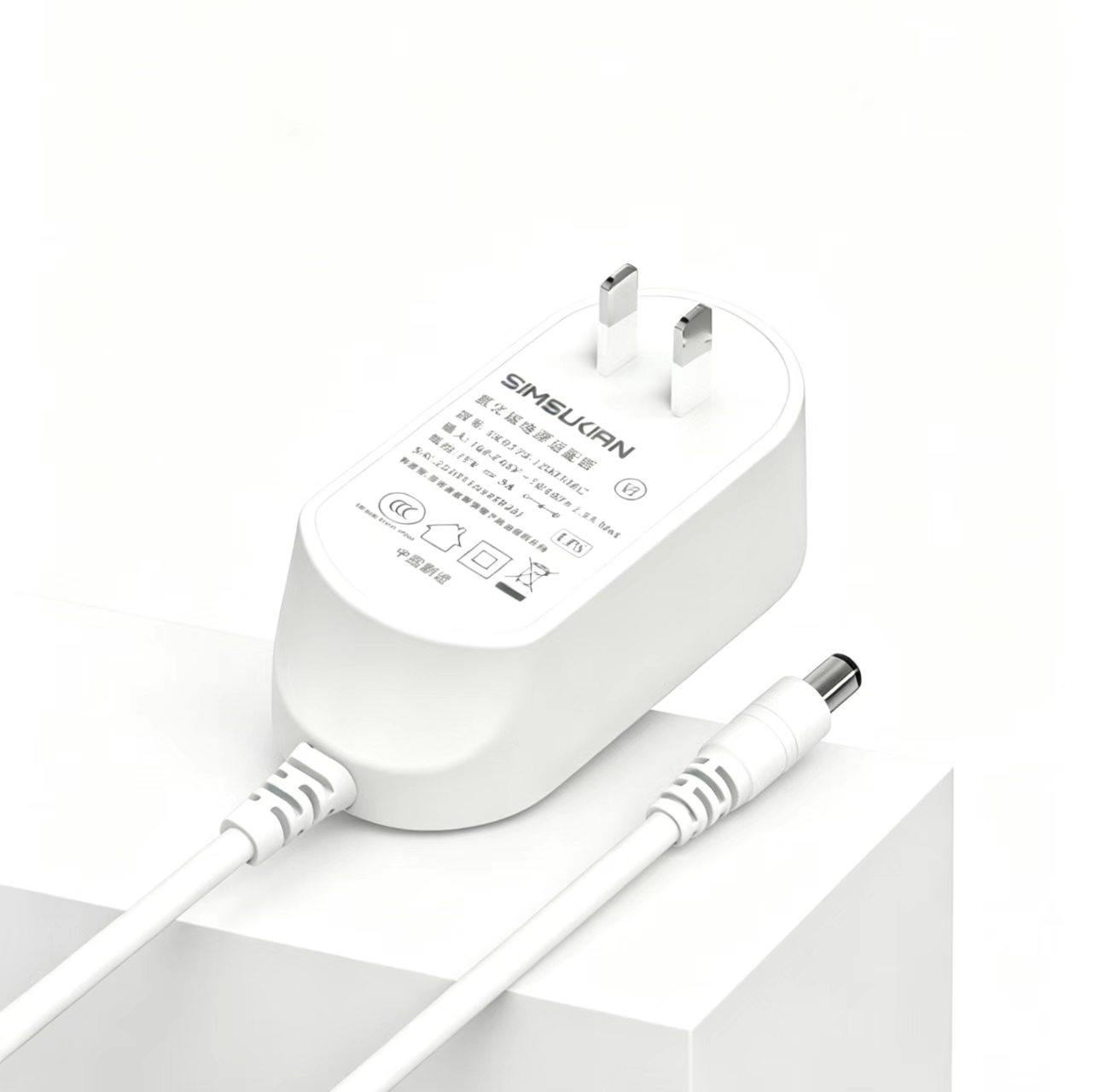 Latch-off protection: After short-circuit trigger, the Power Adapter shuts down permanently. AC power must be disconnected and re-powered to restore output. It avoids repeated surges to downstream circuits, suitable for high-value precision equipment to prevent component damage from repeated power cycling.
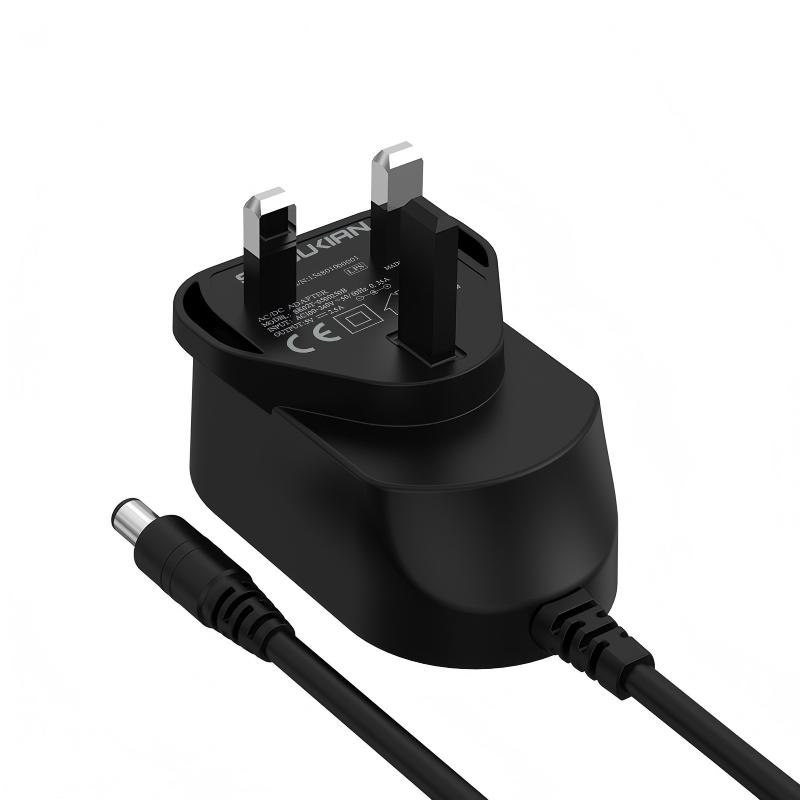 Do not assume protection mode during procurement. Define the Power Adapter protection type according to end-device application.
2. Field Risks Caused by Failed Short-Circuit Protection
If short-circuit protection of the Power Adapter fails, continuous large current at output rapidly heats internal components, causing plastic melting, fire hazard and burnt downstream mainboards.
Some low-cost Power Adapter uses poorly set protection thresholds. It falsely triggers protection under mild overload or responds too slowly during severe short-circuit and fails to limit current in time. These hidden defects cannot be detected in normal power-on tests and only show up in dedicated short-circuit tests.
B-side hardware deployed in unmanned server rooms or outdoor cabinets faces property loss and safety incidents if short-circuit protection fails and faults cannot stop automatically.
3. Standard Short-Circuit Protection Test for Power Adapter
Use programmable electronic load for short-circuit test. Short output terminals and continuously monitor output current and case temperature of the Power Adapter.
Run tests at room temperature and high temperature. Record protection trigger response time, peak short-circuit current and maximum case temperature under fault.
Repeat 1000 cycles of short-circuit to verify no performance degradation of protection circuit inside the Power Adapter. After testing, recheck hipot and insulation resistance to confirm no permanent damage to internal components.
Verify fault recovery behavior according to end-product requirements: confirm auto-recovery or power-cycle reset requirement.
4. Power Adapter Protection Selection for Different End Applications
1. Unattended monitoring, IoT gateways: select Power Adapter with hiccup protection. Devices resume automatically after temporary short-circuit cleared, no on-site manual reboot required.
2. Medical inspection devices, high-precision measuring instruments: select Power Adapter with latch-off protection. No repeated power surges to precision components under continuous short-circuit and reduce secondary damage risk.
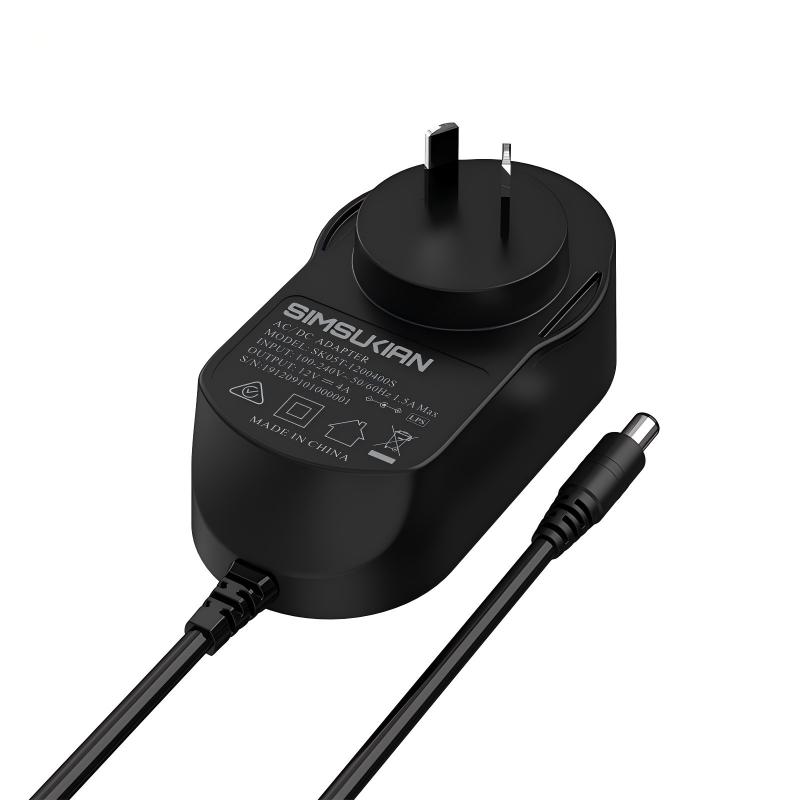
3. Portable commercial terminals: choose either solution based on customer maintenance conditions and clearly state in datasheet.
Request original short-circuit waveform reports of the Power Adapter from suppliers to confirm protection timing matches project specs.
5. Mass Production Control and Datasheet Specification Lock
Lock the controller IC and peripheral protection circuit components of the Power Adapter in mass production. Controller IC change alters short-circuit protection logic and requires full re-testing.
Datasheets must clearly state protection type, short-circuit current limit and fault recovery method of the Power Adapter, preventing misunderstanding of fault recovery logic later. Add short-circuit protection test in incoming sampling to ensure consistent protection performance across batches.
Conclusion
Short-circuit protection mechanism of the Power Adapter determines system safety under fault conditions. Hiccup and latch-off protection fit different use cases. B-side projects selecting Power Adapter must pick protection architecture matching end-device maintenance workflow, and verify response speed and temperature rise via standardized cyclic short-circuit tests. Lock protection circuit components and fix specs during mass production to avoid inconsistent performance across batches. If you need custom short-circuit protection and auto-recovery logic for Power Adapter, Sen Shu Qiang designs custom protection circuits based on operating conditions and provides full short-circuit test reports. Feel free to contact us.