Under-Voltage Input Protection for Charger: Equipment Safety for Low-Grid-Voltage Conditions
1. Working Principle of Under-Voltage Protection for Charger
When AC grid voltage falls below rated range, the Charger receives insufficient input power and supply voltage of controller IC drops. Once input voltage hits preset threshold, under-voltage protection activates and cuts off output of the Charger, protecting MOSFETs and transformers from abnormal electrical stress.
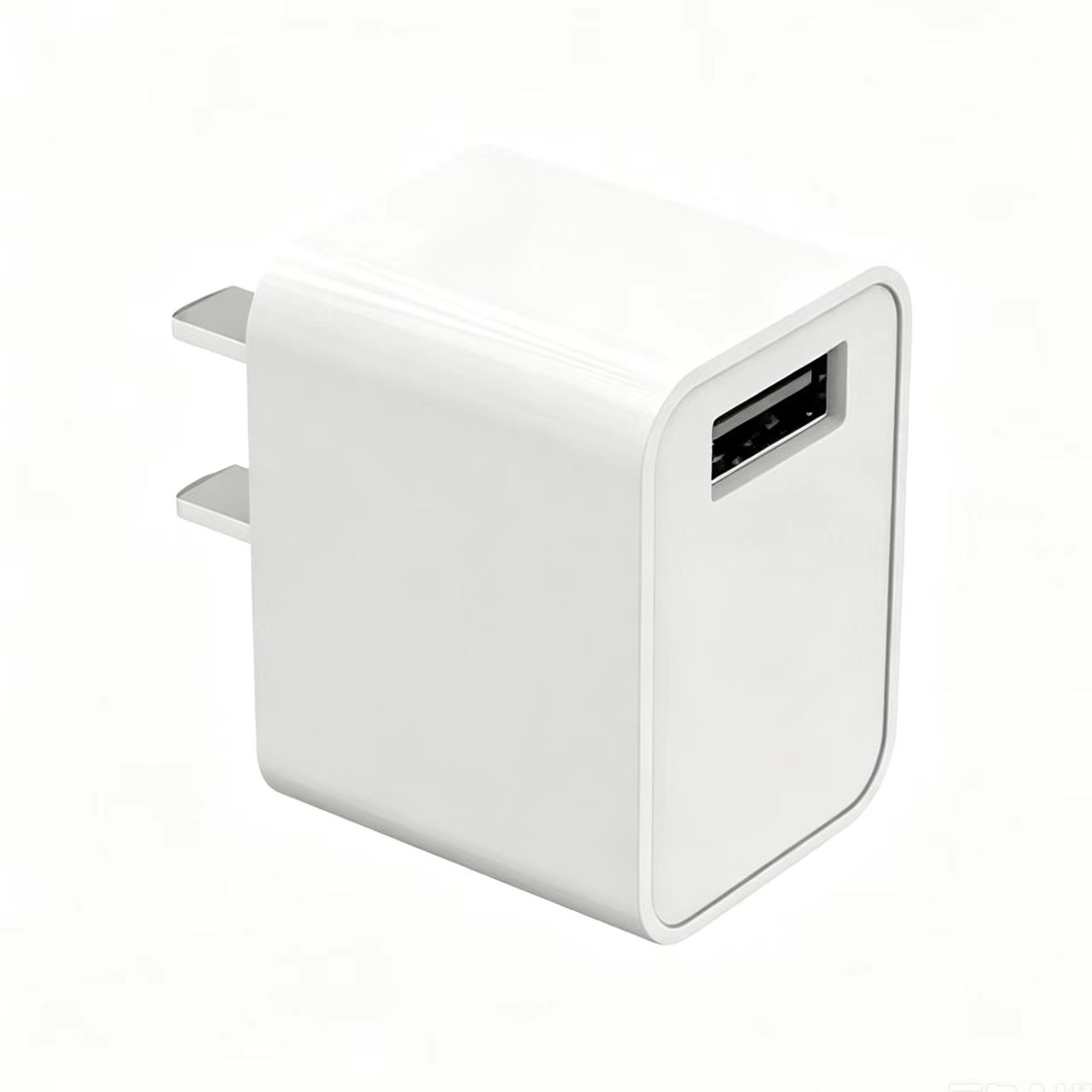
Hysteresis is built into protection circuit to avoid rapid on-off cycling of the Charger when voltage hovers near threshold. When grid voltage rises above recovery threshold, the Charger restarts output automatically. Too small hysteresis triggers frequent rebooting from minor voltage fluctuation and damages downstream hardware. Excessively large hysteresis delays power recovery after grid stabilizes.
Some low-cost Charger simplify under-voltage sensing circuits without reliable protection. Under low input voltage, operating points shift and components easily overheat and burn out. B-side products shipped to unstable grid regions cannot skip this protection feature.
2. Grid Fluctuation Characteristics Across Overseas Regions
North America uses 120V with relatively stable grid. EU 230V mains has limited fluctuation. Parts of Southeast Asia and Latin America suffer frequent voltage drop during peak power consumption.
For these low-voltage-prone regions, a Charger designed only for nominal voltage without proper under-voltage protection behaves abnormally during voltage sags.
When selecting a Charger, confirm input voltage range and under-voltage trigger threshold to match local grid characteristics, instead of directly adopting European or North American reference designs.
3. Standard Under-Voltage Protection Test for Charger
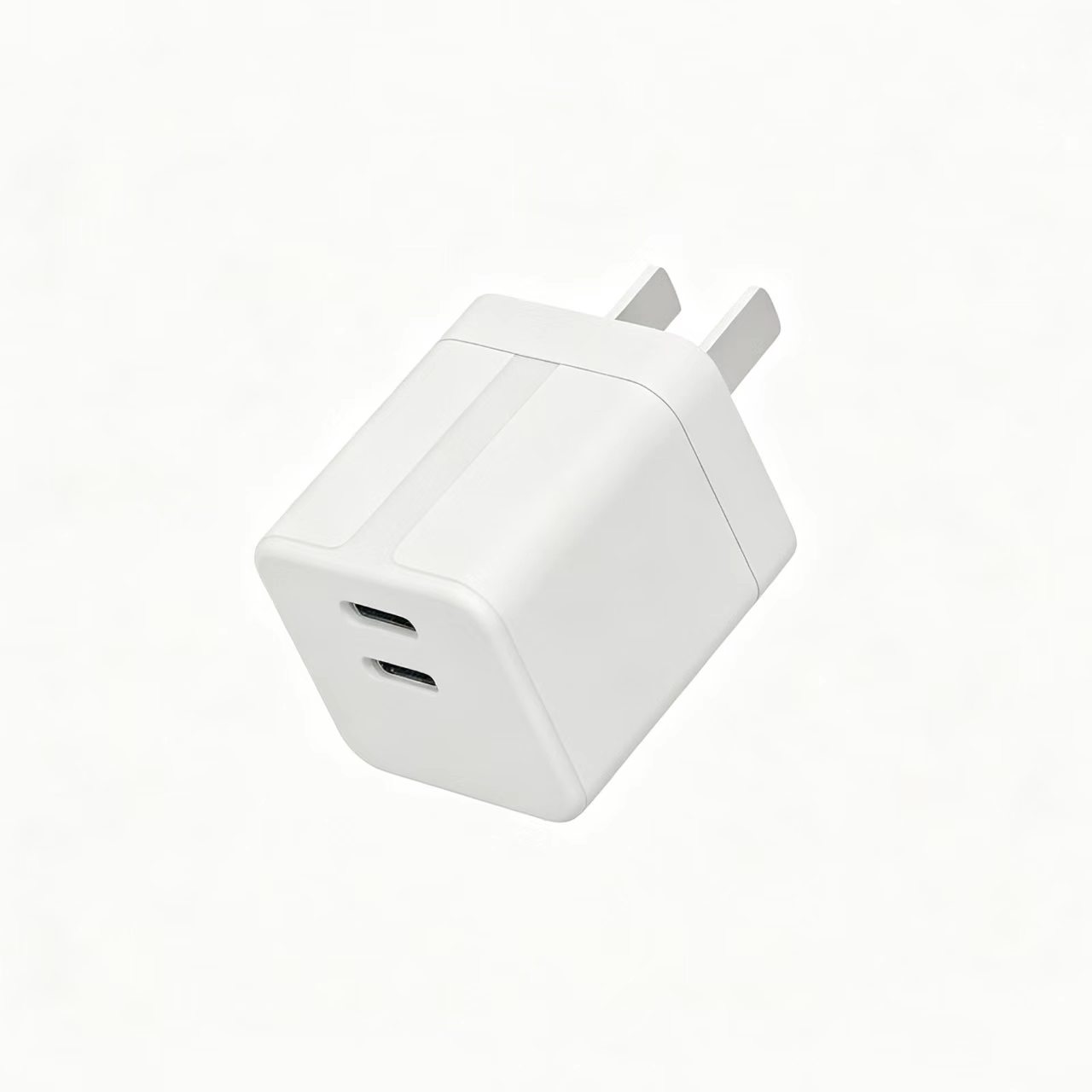
Use programmable AC source to slowly reduce input voltage and observe output status of the Charger. Record trigger voltage and recovery voltage during voltage rise and calculate hysteresis.
Run tests under full load and light load, as load changes slightly shift under-voltage trigger point of the Charger.
Monitor internal component temperature and input current during testing, confirm no abnormal current surge at protection trigger.
Repeat voltage rise and drop cycles multiple times to verify stable protection logic, no false trigger or protection failure. Recheck electrical specs after testing and confirm no permanent damage to the Charger.
4. Parameter Recommendation for Under-Voltage Protection of Charger
1. Stable indoor European and North American grids: standard Charger with basic under-voltage protection meets safety requirements.
2. Southeast Asia, Latin America with heavy voltage fluctuation: select Charger with wider input range, lower under-voltage trigger threshold and proper hysteresis to handle frequent voltage sags.
3. Unattended outdoor equipment: carefully set hysteresis to avoid repeated rebooting damaging precision downstream components.
Define input voltage range and under-voltage threshold in Charger datasheet at early project stage and request protection waveforms from suppliers.
5. Mass Production Control to Lock Protection Circuit Parameters
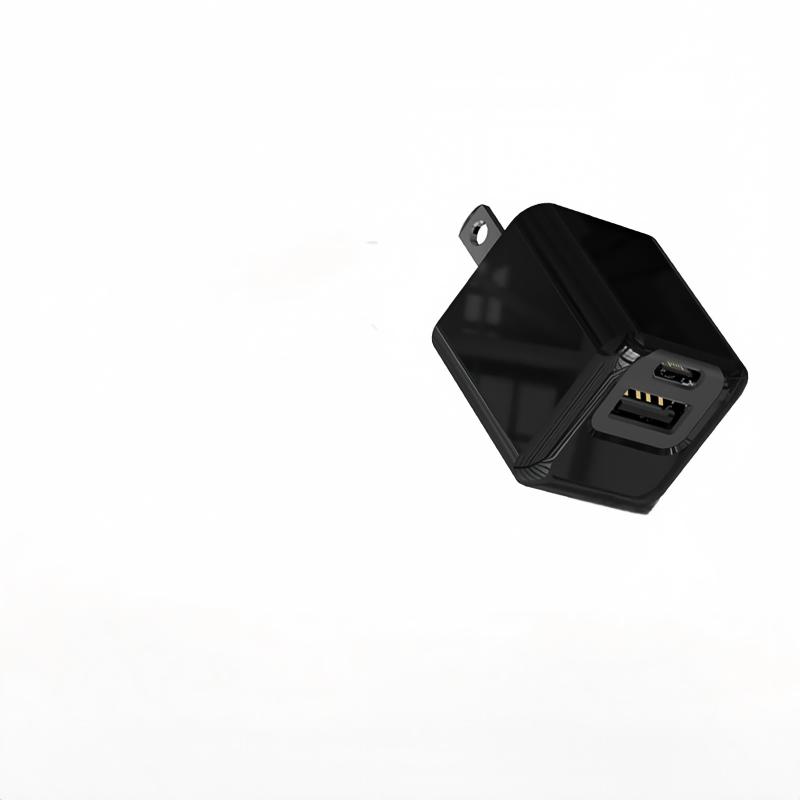
Lock controller IC and voltage divider resistors for under-voltage sensing of the Charger during mass production. Replacing controller or divider resistors changes under-voltage threshold. Material changes require full under-voltage re-testing.
Add under-voltage test to incoming sampling. Verify trigger voltage and hysteresis on samples from each batch to keep consistent protection logic across production. Archive test reports for overseas market compliance audits.
Conclusion
Under-voltage protection of the Charger is essential for handling grid voltage sags. Threshold and hysteresis must match grid fluctuation of target markets. B-side buyers sourcing a Charger should check grid quality of destination regions, review under-voltage test waveforms and set proper trigger and hysteresis values to prevent cycling reboot and component burnout under low voltage. Lock sensing circuit components in mass production to stabilize protection parameters. If you need Charger optimized for low-voltage grids, Sen Shu Qiang customizes under-voltage parameters based on regional grid features and provides full test reports. Feel free to contact us.